


Related Articles:
The 10-Part Stress Series
Previously in this Series: Preventing and Managing Stress
In What is stress?, we looked at what stress is. In other related articles, we’ve looked at what causes stress and how it affects our bodies and our brains. We’ve learned that chronic stress directly causes chronic inflammation and that chronic inflammation directly or indirectly causes death and disease.
We’ve also looked at ways to prevent or manage stress and, when that’s not possible, how to cope with stress.
But a question lingers: what is the relationship between stress and mental health? And is stress itself a mental illness or in some other way a mental health problem?
First, Some Definitions
Without definitions, there can be no shared understanding of terms.
Without a shared understanding of terms, there can be no real communication.
Stress
- Stress: As we’ve already seen earlier in this series, stress is a normal, automatic human reaction to some kind of stressor. Two million years ago, that stressor might be a wild animal chasing after one of our ancestors in the hope of having lunch. Today, the stressor might be a boss who comes in yelling day after day. Stress is a normal, automatic reaction. It is not a mental health issue but it can be related to mental health issues.
- Acute Stress: A sudden, unexpected stressor will result in an immediate stress response in our body. From a medical point of view, “acute” means sudden and severe. The acute stress response in our body will be automatically reversed by our body once the cause of stress has been removed or dealt with.
- Episodic Acute Stress: When acute stress occurs over and over on a fairly regular basis, it’s called episodic stress because it’s like another episode of our favorite TV show. A boss who comes in at the end of every work day with two more hours of work to complete before we can leave would likely be the source of episodic acute stress.
- Chronic Stress: The medical meaning of “chronic” is “persisting”, so chronic stress is stress that just doesn’t go away. Financial troubles that seem unsolvable and that are making life difficult might well be a source of chronic stress.
- Psychosocial stress: This form of stress results from our interactions with other people and often stems from major events that change our lives forever. Psychosocial stress occurs from our identification of a serious problem (real or imagined) that we don’t seem to have the resources to solve.
Inflammation
- Inflammation: When our bodies are injured or become infected, our immune system will be activated. Specialized cells and chemicals are sent to the location of the problem to resist the infection or begin healing the injury. This process is called inflammation. It gets its name from “flame” because of the redness that typically occurs on the skin when inflammation begins.
- Acute Inflammation: This is the kind of inflammation that occurs as soon as we have been injured or an infection has been identified.
- Chronic Inflammation: Inflammation becomes chronic (persistent) when it doesn’t end when the threat has been resolved or the injury healed. Chronic inflammation occurs when our immune system keeps on sending immune responses when there is no more threat. Chronic inflammation can lead to many different diseases and is implicated in half of all deaths.
Anxiety
- Anxiety: While stress is a biological reaction that is caused by a known source of stress, anxiety is a feeling of worry or unease that something bad might be about to happen. Anxiety is an emotion and a normal reaction to stress. It can be beneficial by alerting us to danger and helping us focus.
- Anxiety Disorder: Occasional anxiety is normal and healthy but anxiety can get out of control. Anxiety disorders are a group of mental illnesses that are characterized by anxiety that never goes away. The feelings of worry and fear never end. Anxiety disorders are mental illnesses that can have strong, negative effects on the lives of people who suffer from them.
Depression
- Depression: It’s okay to feel sad or overwhelmed by life sometimes. Everyone feels that way from time to time. But when feelings of sadness, emptiness, loss of joy, worthlessness or death become chronic and do not go away, we call it depression. Depression is also called Major Depressive Disorder and is the leading cause of disability worldwide. Depression contributes to 40,000 suicides per year in the US alone. Depression is a serious mental illness. People suffering from depression should seek help from a doctor or a mental health professional. If that’s not possible, they should reach out to a family member or a trusted friend.
Other Mental Illnesses
- PTSD: Post-Traumatic Stress Disorder is a mental health condition that is caused by some traumatic event. PTSD can be caused by experiencing a traumatic event like war or a forest fire or being raped or by witnessing the event. PTSD flashbacks can recur long after the traumatic event.
- Psychosis: Psychosis is a condition that causes a person to lose touch with reality by altering how their brain processes information. Psychosis affects a person’s thoughts and perceptions in ways that can make it difficult for the person to know what is real and what is not real. People suffering from psychosis will usually suffer from hallucinations, delusions, disordered thinking or a combination of those. There are different kinds of psychosis, including schizophrenia and substance-induced psychotic disorder.
Stress and Anxiety
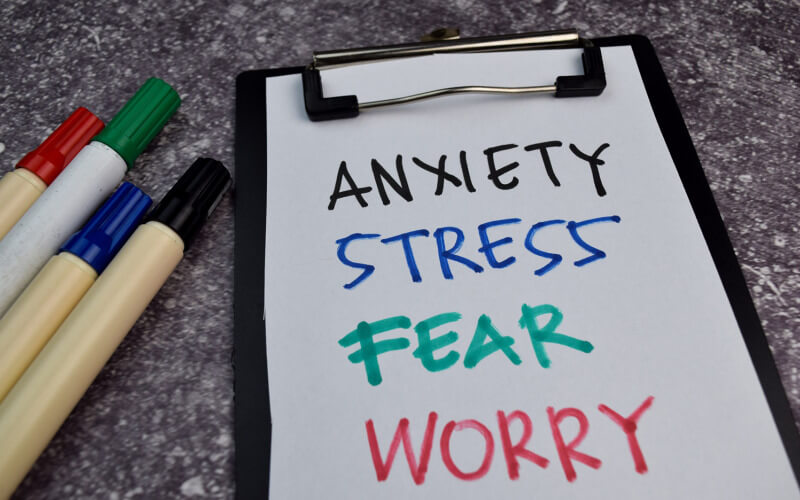
Stress and anxiety are not mental illnesses. Instead, they are normal reactions to normal life stress.
Most people experience stress and anxiety in their lives. Acute stress and accompanying acute anxiety are normal coping reactions to some kind of sudden stress. These are normal, healthy reactions to life.
Occasional anxiety is also a normal human reaction to the ups and downs of our daily lives. Life throws challenges at us and it’s normal to worry a bit about them now and then.
Earlier in this series, we explored the symptoms of stress. The very same symptoms can be caused by anxiety. When dealing with these symptoms, it’s important to identify if they are being caused by stress or anxiety. If there is an identifiable source of stress, it’s likely stress. If not, anxiety may be responsible.
Stress and Anxiety Disorders
Anxiety disorders are a group of related mental illnesses that cause constant fear, anxiety and worry.
About 30% of adults will experience an anxiety disorder at some point in their lives. Treatment can help most sufferers live a normal, happy life.
Stress and anxiety are both centered in the limbic system – the part of the brain that deals with behavioral and emotional responses. The automatic stress response begins in the limbic system when our brain detects a threat and unleashes neurotransmitters and hormones to ready us for fight or flight (see Stress and Our Bodies).
Chronic stress can result in chronic inflammation. The ongoing presence of both chronic inflammation and stress neurotransmitters can cause significant anatomical changes in the parts of the brain that deal with anxiety, including an increase in the size of the amygdala. Essentially, chronic stress can restructure the part of our brain that deals with fear and anxiety.
While research is ongoing, the biochemical sources of anxiety disorders are still unclear. Nevertheless, studies have shown a strong relationship between reduced and/or altered neurotransmitter activity in the limbic system and anxiety disorders.
Since these are the areas and neurotransmitters activated by the stress response, it’s reasonable to assume that chronic stress has a strong relationship to the source of anxiety disorders.
Stress and Depression

Depression is a common mood disorder. It can cause severe symptoms that affect how we look at life and how we feel. It can greatly impact our ability to handle routine daily activities.
To be diagnosed with depression, the symptoms must be present for at least two weeks.
The link between stress and depression goes both ways: stress can cause depression and the effects of depression can cause increased stress.
Depression and the stress response share a great deal of brain biochemistry but, as with anxiety disorders, the exact biochemical cause of depression is still unknown. Despite that, it’s clear that chronic stress greatly increases the chances of someone suffering from depression. Since depression can greatly impact a person’s life, it can cause great stress, leading to a vicious circle of causality.
Stress and Psychosis
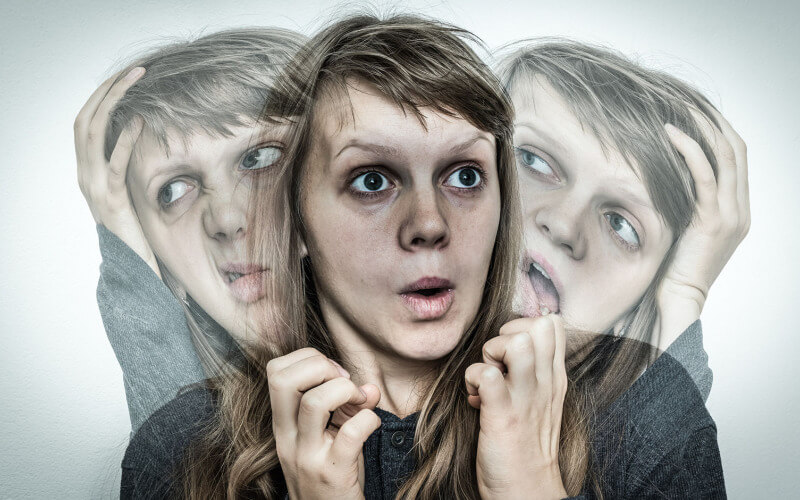
Psychotic disorders are a group of related mental illnesses. These illnesses affect people’s ability to correctly understand reality.
People suffering from psychotic disorders may have difficulty thinking clearly and communicating with others. They may behave inappropriately and, in severe cases, be unable to handle daily life.
Advances in neuroscience have uncovered evidence in support of biological hypotheses of psychosis, such as abnormalities in dopaminergic, glutamatergic, and γ-aminobutyric acid function, or an integration of abnormal neurotransmission in all three. While psychosis used to be seen as strongly connected to psychosocial factors, neuroscientists are now looking strongly at stress as a potential factor in the development of psychosis.
Stress is not seen as necessary for the development of psychosis nor sufficient to cause it absent other factors. However, a vulnerability to psychosis may make one more susceptible to the biochemical effects of the stress response. Stress can also increase the chances of a psychotic relapse.
The Bottom Line
Our body’s automatic stress response is an incredibly fast response to a threat. It unleashes a cascade of neurotransmitters and hormones that affect virtually every part of our body. This natural, healthy reaction is designed to prepare us for fight or flight and to survive threats that otherwise might result in death or injury.
The complex suite of biochemical changes unleashed by the stress response are centered in the limbic system. The stress response works well to prepare us for a sudden threat. But when stress becomes chronic, the brain itself can be modified by the ongoing presence of stress hormones and chronic inflammation. These changes in the brain are connected to anxiety, anxiety disorders, PTSD, depression and psychosis.
Chronic inflammation caused by chronic stress has been directly tied to the development of many diseases, from heart disease to cancer to psoriasis. We now know that mental illness is very likely on that list, too.
Given that, it makes a great deal of sense to know how to identify stress and how to recognize chronic stress. Learning how to prevent, manage or cope with chronic stress can mitigate the effects of chronic inflammation on our bodies and our minds.
Suggested Reading:
The 10-Part Stress Series
Next in this Series: When to Seek Help for Stress