


Preventing and Managing Stress
Related Articles:
The 10-Part Stress Series
Previously in this Series: Coping With Stress
In related articles on stress, we’ve looked at what stress is, what causes it, and how it affects our bodies and our brains. We’ve learned that chronic stress directly causes chronic inflammation and that chronic inflammation directly or indirectly causes death and disease.
It may seem like stress is inevitable and out of our control but that is not true. For something to become stressful, two things must be true:
- We must see it as stressful, and
- We must see it as beyond our ability to cope
To a certain extent, both of these factors are under our control.
While we will all encounter many different forms of stress over time, there are things that we can do to limit the negative effects of stress on our bodies and our lives:
- We can live our lives in a way that will help reduce the overall level of stress in our lives.
- We can manage our affairs to reduce the impact of the stress that does come our way.
- We can learn how to cope with stress when we encounter it.
- We can learn emergency coping techniques that we can use in moments when stress is about to get the better of us.
That’s the subject of this article and the next related article. In this article, we will discuss preventing and managing stress. In Coping With Stress, we will look at how to cope with stress and what to do when you’re faced with a high-stress moment.
Prevention, managing and coping with stress are not three completely different things. Instead, they represent a continuum from prevention to management to coping. We’ll see below how success at each of the three stages is improved by:
- Knowledge and understanding of stress
- Having a healthy attitude
- Having a plan
- Seeking happiness
- Being willing to ask for advice or help
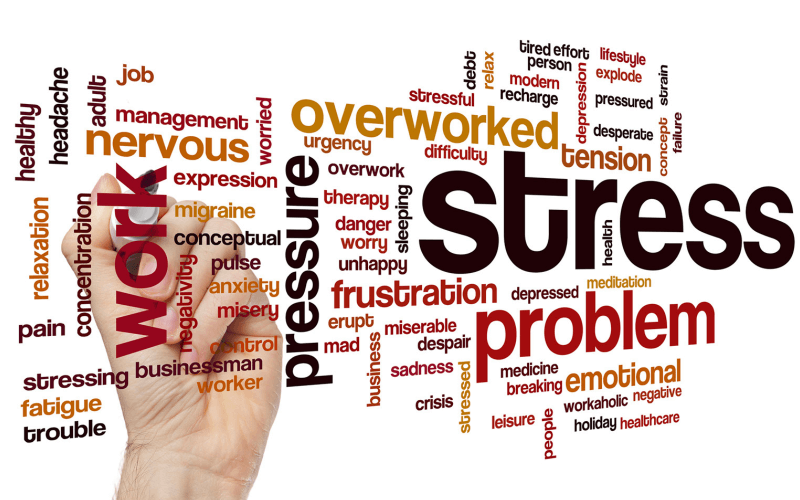
Stress Prevention
The best way to lower the impact of stress on our lives is to lead a healthy, happy life. With respect to stress, this includes:
Knowledge
- Know how stress and inflammation can impact your life, your health, and your happiness.
- Have an understanding of the common major stressors to watch out for. These are explained in depth in a prior article that describes the cause of stress but the list includes things like ongoing financial stress, loss of a loved one, a change in status (new job, retirement, getting married, moving to a new home), chronic illnesses and emotional problems. When we are aware of the potential for these to cause stress in our lives, we can take positive steps to minimize that stress.
Healthy Living
- Eat a healthy diet: A healthy diet can help prevent stress in two ways. First, eating a healthy diet can keep our weight in control and contribute to our happiness. Second, a healthy diet can help reduce the biochemical effects of stress by reducing oxidation and inflammation.
- Include regular exercise in your life: Like diet, exercise can combat the negative effects of stress in multiple ways. First, exercise improves our physical health, directly combatting some of the negative impacts of inflammation. Second, exercise boosts endorphins in our body, which help us feel good and distracts us from concentrating on stressors in our life. That automatically reduces some of the negative effects of stress.
Life Planning
- Have goals: Stress can stem from unsolved problems, a sense of not knowing how to solve life’s problems or even just a lack of direction. Having good, reasonable, long-term goals helps combat stress by giving us things to aim for. Goals can also help us avoid some of life’s big stressors like financial problems by taking steps early on to avoid those problems.
- Have appropriate goals: Having goals is important to any life but those goals must be reasonable and appropriate. If the goals we select are impossible to meet, then the goals themselves become a source of stress.
- Have a plan to reach our goals: Once we have goals, we should have a plan to meet those goals. Otherwise, we drift along feeling stressed because we aren’t making progress toward our goals.
- Have long-term, mid-term, and short-term goals: Interim goals are terrific motivators because they break larger goals into chunks that are achievable. Like the long-term goals, the shorter-term goals must be reasonable and attainable. If you wish to lose 50 pounds, don’t set a goal of losing it all in one week. Instead, a goal of losing one pound every two weeks might well be reasonable. If that doesn’t sound like a lot, losing one pound every two weeks will have us meeting our 50-pound goal in two years.
- Track your progress: Keeping a journal or a spreadsheet or a calendar or any kind of list that tracks progress toward our goals is a great idea. Tracking progress provides a tool for us to see how we’re doing over time and to motivate ourselves to try just a little harder when progress slows down.
Life Management
- Use your time wisely: One of the key causes of stress is trying to get too much done in too little time. When we have too many things to do, we become inefficient and waste a lot of time switching back and forth from one task to another. Managing our time in chunks helps to reduce stress and increase satisfaction while getting more done. A typical day might be broken into chunks of time for work, exercise, meals, fun and family.
- Stay on top of priorities: Setting priorities can keep us on track toward our most important goals. Tracking those priorities helps reduce stress associated with not making progress on the things that are most important to us.
- Make time for relaxation and interests: We all know the old maxim that “all work and no play makes us dull people”. Setting aside time for relaxation, fun, hobbies and interests is critical in any stress-prevention strategy. These are the activities that help us recharge and prepare for more progress toward our goals.

Seeking Happiness
- Build supportive relationships: good, mutual supportive relationships with family, friends, colleagues and other people bring happiness to our lives. Healthy interaction with others helps to lower our stress levels in ways similar to the effect of exercise (but we still need to exercise!).
- Enjoy fun and laughter: Believe it or not, fun and laughter are good medicine! Both directly impact various organs in our bodies, stimulating our heart and lungs and muscles and releasing feel-good endorphins. Fun and laughter also reduce tension in our muscles, helping them to relax and directly countering some of the negative effects of stress.
- Have hobbies and interests: Research shows that having hobbies or other interests lowers our stress level, improves our mood and tends to make us happy. Group activities, especially, can create strong, positive relationships that are supportive and counter the negative effects of stress.
Asking for Advice
- None of us has all the answers to all of life’s problems and challenges. We all need help and advice from time to time.
- Asking for advice when facing problems is healthy. It can combat stress by reducing frustration, helping us to make progress toward our goals, and helping us to avoid serious mistakes. Sometimes, asking for advice leads to building a new and healthy friendship.
Asking for Help
- People sometimes see asking for help as a sign of weakness. To the contrary, knowing when we need help and reaching out for that help is a sign of a healthy mind. None of us should ever be afraid or unwilling to ask for needed help.
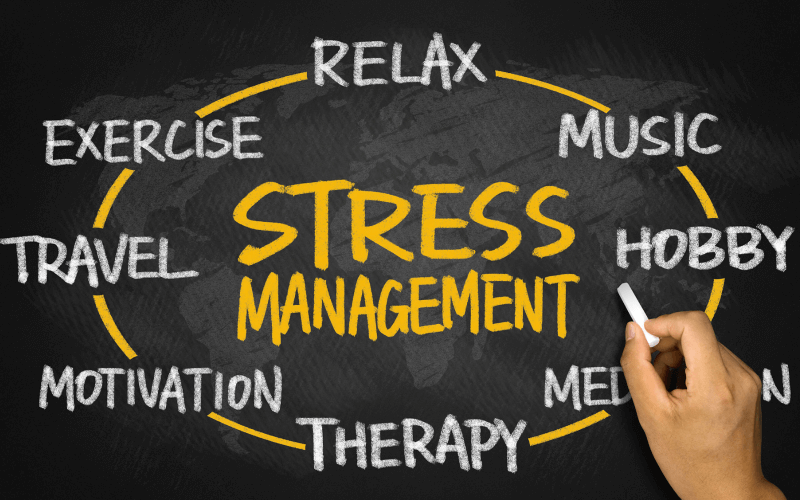
Stress Management
Stress management is much like stress prevention but on a shorter timescale. In stress prevention, we focus on how we can live a life that will have a low level of stress. Stress management focuses on managing the stress that does show up.
Healthy Attitude
- Be optimistic: Maintaining a healthy sense of optimism and a “can-do” attitude during stressful periods can go a long way toward lowering the impact of stress.
- Practice mindfulness: Mindfulness is simply being fully present in the moment. When we are mindful, we are purposefully observant and thoughtful and aware of our feelings and surroundings. Mindfulness helps us avoid overreacting to stress or dwelling on negative feelings, memories or worries.
- Manage your inner voice: We all have a running dialog with our inner voice. This dialog is healthy and part of simply being conscious individuals. Having a positive dialog with our inner voice can positively impact our ability to cope with stress.
Time Management
Feeling overwhelmed by things to do is a very common source of stress. Left unchecked, it can become a constant burden and can reduce our ability to achieve our goals. Proper time management can be a real help in reducing our stress level by organizing our life:
- Identify current priorities: Most of us have many things that we would like to accomplish but, at any point in time, only a few are the most important things to get done first. Creating a to-do list of current priorities is a great way to start managing our time.
- Focus on current priorities: Once our current priorities are identified, it’s time to create a plan for the day or the week or the month. If some of the current priorities are so large that they are daunting, break them into smaller chunks and then work on the chunks.
- Set a schedule: Create a plan for your day. Set aside time to work on each of your current priorities and then stick to your schedule.
- Learn to say no: People who can’t say no inevitably lead a stressful life because they always have too many tasks to do. Learning to say no is a great way to keep our schedule organized, manageable and do-able without being a constant source of stress.
- Leave time for hobbies and interests: Life cannot be just about work or chores. In any schedule, leave time for hobbies or other things that you enjoy. A short break for fun actually helps us get more done – not less – by helping us keep our focus and ignore the distractions caused by stress.
- Leave time for rest and relaxation: We all need time for rest and relaxation, too. Building times to relax into a schedule also helps us to be less stressed and more productive.
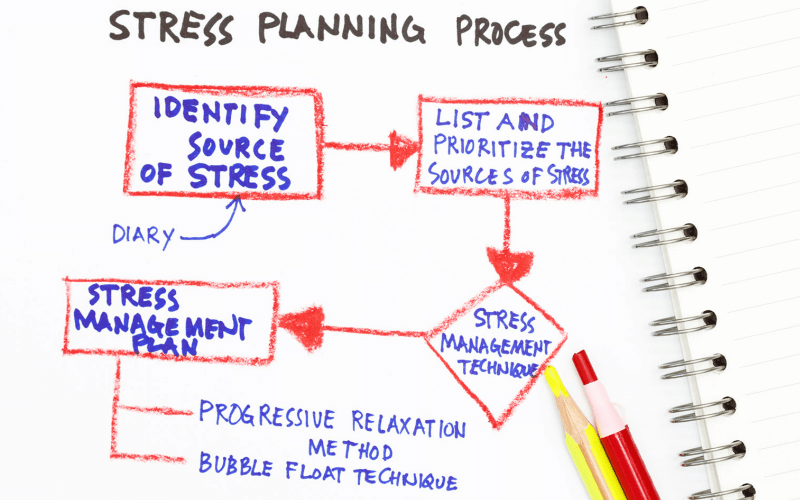
Managing Stressors
- Identify stressors: When we are feeling stressed, it’s important to identify the source of the stress. If stress is coming from multiple stressors, we should attempt to identify as many of the sources of stress as we can.
- Identify the urgency and impact of stress: Once we have identified the source(s) of our stress, we should identify the urgency and impact of those stressors. Running from a bear in the woods is both urgent and important. Being forced to stop for a red light might be urgent but it is unlikely to have a great impact on our lives.
- Practice avoid-alter-accept-adapt: We’ll address the 4 A’s in a different article but, briefly, they provide a mechanism for managing stress by modifying our surroundings and our lives to avoid stress; altering our situation through communication and setting limitations; accepting some stress by rethinking our situation, forgiving others and learning from our mistakes; and adapting to stress by reframing the issue, adjusting our standards and choosing to think positively.
- Prepare for stressful events: When we are about to participate in events that we know are likely to be stressful, we can take to identify likely sources of stress ahead of time and identify ways to defuse that stress.
Seek Peace and Happiness
- Find a happy place: During periods of stress, it can be beneficial to go to a happy place for a bit of time. Sometimes, even five minutes can make a real difference. Our happy place doesn’t have to be a real place. It’s great if there is a real place where we can go and relax when needed but our happy place can simply be in our minds. Sitting in a calm place, closing our eyes, and imagining being in a place that makes us happy can do wonders for our stress level.
- Have fun: No one can completely ignore stress but living a life that includes regular forms of fun can be a great antidote to stress. It’s really hard to feel stressed when we’re laughing. People have long said that laughter is the best medicine and they weren’t wrong when it comes to stress. Instead of seeing fun as something to put off because you have work to do, make having fun a real priority in your life.
- Seek social connections: A strong social network makes life more fun. It also provides strength for us to lean on when we run into a difficult patch. Studies have shown that having friends around in difficult times and discussing our difficulties with trusted friends can have positive effects on our health.

Asking for Advice
Once we have identified the source of our stress, we may find that defusing or eliminating the stress calls for skills or knowledge that we don’t have. For example, if we are constantly running short of money at the end of every month, asking for advice on building a solid budget may be the best way of eliminating the source of our stress. Advice is often available free of charge from various sources.
Asking for Help
When stress is becoming overwhelming, it’s time to ask for help. Seeking help is not a sign of weakness. To the contrary, recognizing that we’re in a situation where we need knowledgeable help is a sign of wisdom. If we break a leg, we don’t expect to solve that problem on our own. Similarly, when stress becomes overwhelming, we shouldn’t expect to solve that problem without asking for assistance.
The Bottom Line
Chronic stress and the chronic inflammation that it causes are extremely damaging to our health and happiness. Fortunately, we can help reduce the overall level of stress in our lives by choosing to live a happy, healthy, well-managed life.
When stress does occur – as it will in any life – we can minimize the negative effects of that stress through the use of proper stress management techniques.
Suggested Reading:
The 10-Part Stress Series
Next in this Series: The Relationship of Stress to Mental Health